



Feeding
Hydrangeas are hungry! Feed every six weeks with a slow-release fertiliser. Pruning The pruning requirements for hydrangeas differ:
• Those that bloom on last year's growth, i.e. on stalks that have been on the plant since the previous year (old wood) should be pruned in late summer.
• Those that bloom on fresh growth that's been added to their branches since the previous year (new wood) should be pruned in early spring after the frost.
Top tip: Trimming hydrangea branches just as leaves emerge in spring will result in multiple smaller flower heads as opposed to fewer larger clusters.
1.Hydrangea macrophylla ‘Magical Revolution' is an absolute must-have. This compact (80cm tall) shrub bears clusters of soft pink or blue flowers that change colour as they mature, culminating in rich red or green tones in autumn. Every day is a magical experience with a rainbow of hues to look forward to.
Growing guide Semi-shade or full sun, moist but well-drained soil, good for containers, beds and borders. Disease hardy but look out for red spider mite and scale.

2. H. m. ‘Endless Summer' has a name that says it all. A truly special cultivar with the superpower of blooming on both old and new wood, resulting in a flower show all year round. An added bonus is that plants are hardier to colder climates too.
Growing guide Semi-shade is best but will tolerate full sun if soil is kept moist. Good for hedging and as cut flowers, with resistance to pests and disease.

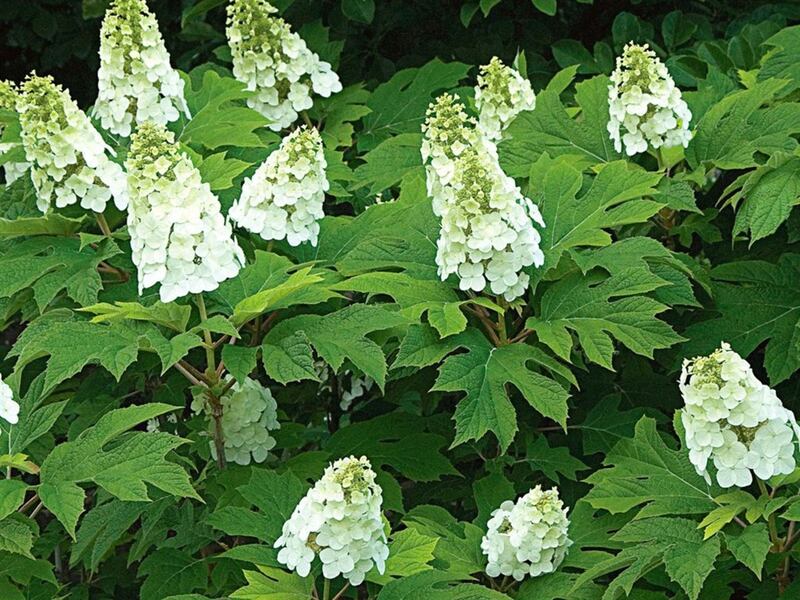
3.H. quercifolia ‘Snow Queen' is a medium-sized bush with large, cone-shaped clusters of gorgeous blooms (up to 30cm long). The creamy-white flowers will turn pink as they mature and can be enjoyed even until midwinter, complemented by burgundy foliage.
Growing guide Dappled shade during midday is best although they perform better than others in drier climates. Keep soil fertile and moist, and look out for mildew.
Be aware that most hydrangeas are toxic to dogs, cats and horses if ingested.


